|
Sunday, March 13, 2011
Vicia faba, meet readers ...


Sunday, March 6, 2011
The book ...
It is gray and snowy outside today. Soft. Pretty. John Coltrane croons in the kitchen as I type (we just purchased a new table/island for the kitchen and I am in heaven. It will be my new office!).
In between watching Napa watching ants and pruning the new addition to our family (a portly ficus microcarpa) I am working on the book this morning.
 |
| The new addition to our family ... |
I can’t seem to call it my book (I've tried, several times). I suppose it does not seem quite real. It feels more like I am going through various processes. Strolling down memory lane, winding through over a decade of food magazines is my first step on this journey (besides myriad notes on the closest surfaces available– napkins, posties, envelopes, paper bags, receipts, tissues, sometimes regular paper).
I have hundreds of food magazines dear readers. I can instantly spot my favorites through the years. You know the ones that are the most crumpled, stained, torn and creased from enthusiastic messy use.
Going through them will take me a while. I am looking forward to it. Remembering the moments that these recipes brought me, the discoveries, the techniques, the adventures, the grimaces (as in this morning when I spotted a lesson from Italy on how to clean squid which I found a touch … graphic).
At the same time, I am organizing the thousands upon thousands of pictures of food that I have snapped over the years and finding that reminiscing agrees with me. It reconnects me somehow. I am going to make it a point to do it more often.
Time to dish.
This is one of my most loved recipes adapted from La Cucina's “Truffles” feature.
Raviolone con tuorlo e robiola
Large ravioli with egg yolk and robiola
 |
| God bless hairy truffle sniffing pigs ... |
 |
| Hairy truffle sniffing pigs ...blessed ... |
Here is what you need …
- Store bought fresh lasagna sheets (original recipe calls for making your own ravioli dough but I was too lazy that day)
- (Also, if you must, you can use bought thin, wonton wrappers, they work surprisingly well for other ravioli dishes)
- 6 ounces robiola fresca (cheese dears, cheese)
- 6 farm eggs
- 4 tablespoons of butter
- 1 ounce fresh Perigord Truffle (heavens catch me)
- 6 tablespoons of freshly grated Parmigiano-Regianno
- Freshly ground white pepper
- Parchment paper dusted with flour (one piece for each square, you will see why …)
Here is what to do …
- Crack your eggs into a bowl. Tenderly please.
- Flour your surface and roll out your cheaters fresh lasagna sheets until they are nice and thin. Just imagine being able to see that gorgeous yolk…
- Cut into four inch ravioli squares.
- Place each square on your dusted parchment paper.
- Place robiola in the center of your square making a little nest for your egg to come.
- Gingerly scoop up an egg yolk with your hands and place it in the robiola nest.
- Dab the edge of your square with water (water acts as glue for your top piece).
- Place a ravioli square atop the loveliness below and seal tightly.
- Dust with flour and repeat for remaining squares.
- Now, in a large skillet, add 1 ½ inches of water. Add sea salt and bring to a boil and then reduce the heat so it is not at a rolling boil (this intensity will be too much for your tender pasta and will break it apart).
- Working in batches, gently, gingerly, tenderly, as if it was your first born, slide your ravioli, yolk side up, into the pan. Do not turn it over, do not overcook. About two minutes will do.
- Using a slotted spoon, transfer your ravioli into a welcoming plate, drizzle with melted butter, add grated truffle, sprinkle with Parmigiano and white pepper and bite into oozy, warm buttery, peppery, earthy truffle heaven.
Original 3.6.11
Monday, February 28, 2011
Creative ideas ...
Well dear readers, this past week (+) has been a stuffy one. Literally. I have been couch-bound at home with sinuses and a nose so stuffed and pressurized I felt as if buildings were situated on my face. This past week has also left me with questions about the context and content of dish.
When my fever broke long enough for lucid thought to emerge, I wondered, how is one to have a culinary adventure under these circumstances (said circumstances being barely able to lift hot fevery hand for more tissues to blow a very tender runny nose)? You see, there are two things at play in my life currently. One, when I write this blog, for the most part, it is in real time. I am not a blog writer that has been able to gather stories and then distribute as needed. Yet. Also (and frankly), my memory is not that great and inspiration plays a great (huge big) deal in what I write (a tad tricky to seek and find inspiration when you can barely breathe). The second, is that when I get sick with a cold, I get real sick. It has been like this as far back as I remember. When other kids were fighting a bit of a cough or fever for a day or so I was out cold (no pun intended) for two weeks. In my teenage years it was bronchitis that had me sacked for weeks at a time and in my adult life it is my sinuses that keep me couch-bound for, you guessed it, weeks at a time (usually two).
Anyhow, medical history aside, as I write this, still sick and sniffly (it has only been a week after all and we have another one to go) and given above mentioned life circumstances, I have some thinking to do in terms of content and direction and I would love, appreciate and be grateful for your creative ideas.
Here is where I ask for your input.
For times like these, times where culinary adventures are less concentrated and sometimes tiny and beautiful, what should I write about? What would you like to read about? What are you interested in knowing? What would inspire you?
It would mean a great deal to me to know your thoughts and ideas so don't be shy. For those comment shy individuals (you know who you are) you can comment under anonymous or just e-mail me directly at dishchronicles@gmail.com.
Now, as you can imagine, I have been consuming mostly broth, oranges, mugs of hot water and avocado on toast (thank you Aksel) for the last week or so and could not taste for a part of it.
This being the case, I end this humble post offerring you a few gratuitous pictures of what I hope to be consuming soon.
 |
| Wine damn it! |
 |
| Some lamb ... |
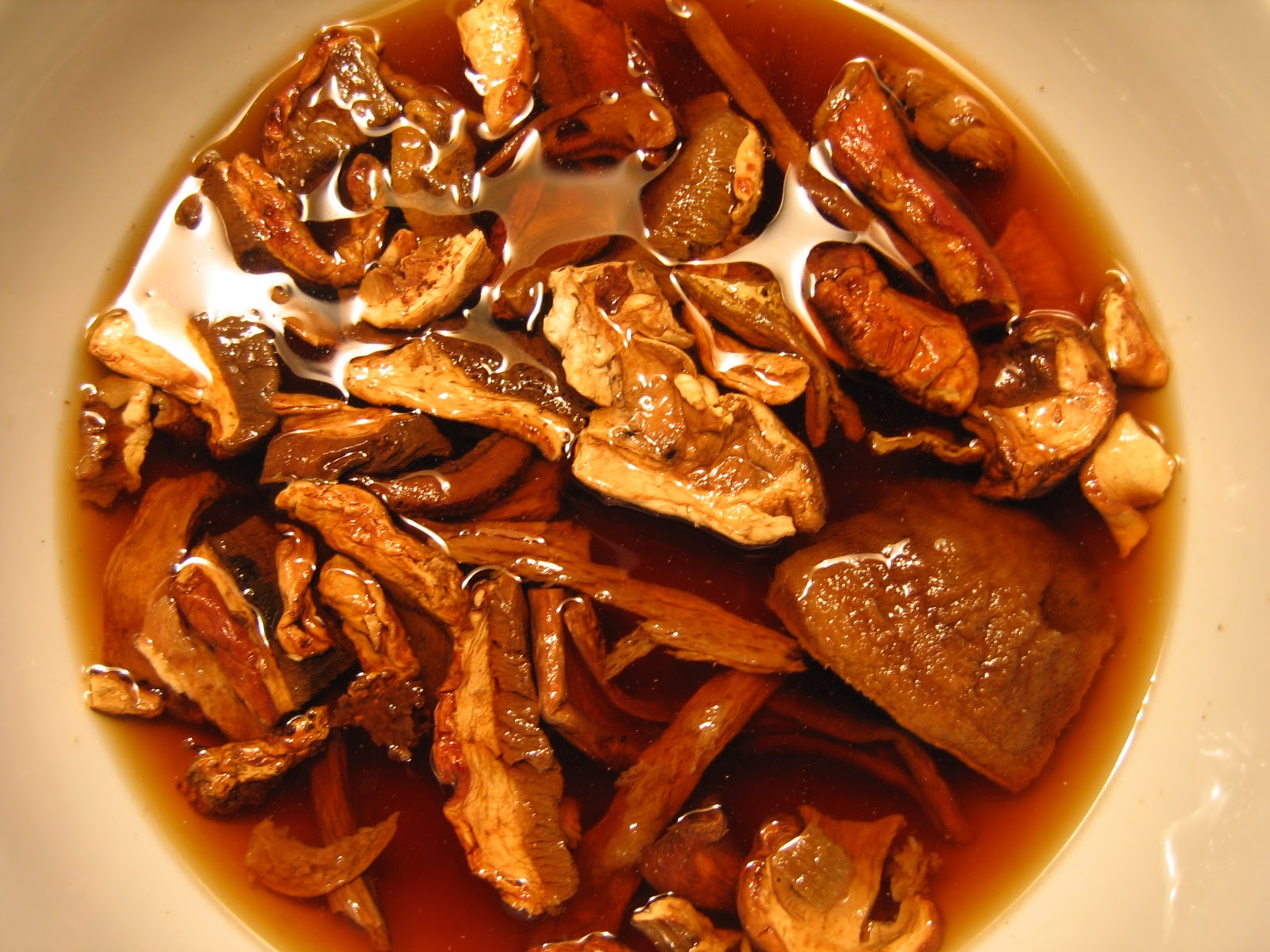 |
| Porcini mushroom soup ... |
 |
| With grated parmesan ...crisps ... |
Original 2.28.11
Tuesday, February 15, 2011
The assassin, the fish, the outcome & the lessons ...
The assassin:
Hence dear readers, ten o’clock Friday morning finds me in fish shop, slightly nauseated but ready (or so I thought) facing a very eager fishmonger waiving me along frantically.
Well, the pseudo assassin, if you will. I ordered the hit...
The fish:
Carp ...
The reason (not in title ...would just be too long ...):
Existential crisis (ish)...
The outcome:
A few weeks ago dear readers, I was on the telephone with my fishmonger and out comes Carp!... I was about to say bless you when he tells me in an unusually animated manner that he has a treat for me. What is it! I ask in a very usual animated manner. I have a delivery of live Carp coming in on Friday morning ..... Yes! What time?! I ask. Around ten says he. I’ll be there.
I, had just ordered a fish hit.
Come come! You must see him come out of the water!!, says he (again with the unusually animated voice). Wavering smile on, off I went to the back of the empty fish shop (I mean where were all the people for heavens sake! It was like the old corral where you are about to see dueling pistols go at it and all that roll by are tumbleweeds! Not that I have ever been to an old corral mind you but you just know what that’s like …) to witness them “taking” my fish out of the tank.
I was prepared for a civilized pair of hands extracting a civilized fish out of …well …civilized water (how uncivilized can a fish tank be after all).
Then: A scuffle, a big commotion, simultaneous Portuguese and Kashmir curses and …whap! Right before my disbelieving eyes, a fish catapults out of the tank (more on this later) right at my fishmonger and his “apprentices”! More commotion and what are you doing?! and give me that bucket! and what a strong fish?! and so on... meanwhile …whap! whap! whap! is all I am hearing from that bucket.
Then, whap whap whap goes Carp in a plastic bag being weighed and, weighing done, Carp comes back out of bag, whap whap whap on steel counter, and finally …the mortal wound (it was very difficult and profound and I was acutely and sadly aware of extinguishing a life). I will spare you the gory (they were) details but let us just say there was whacking, gutting and a swim bladder involved …
 |
| Not Carp. Dolphin fish. Why, you ask? Was too scared to take picture of whapping Carp ... |
Scaling and gutting (slight nauseated heave) complete I think the worst is over. But no dear readers. The fish is still moving. I repeat, the fish is still moving! At this point I was close to fainting and the only thing I could think of (as the three men stood, looking right at me all smiling and nodding approvingly and saying good fish, fresh fish, strong fish!) was is this poor fish dead? So, I ask.
Of course it’s dead! These are just nerve impulses! The freshest fish always move after they have been killed! he says. Are you sure?! I say as this man who has been fishing for the last 35 years looks at me patiently. Yes yes, don’t worry he says. Well, how long does it keep moving like that? I ask (ready to heave). Ten minutes he says. Are you sure?! I say, again. Yes yes, don’t worry…
Omg.
Paranoia alert: For twenty years dear readers, I have battled fish paranoia. I have not been able to go near a whole, uncooked fish with a head on because my biggest fear was that it would “wake up” or start moving. After persuading myself it was irrational (against many vehement objections to myself), that I had nothing to worry about, said paranoia was quashed in the last 4 years. Now I am able to rub fish in oil, face and all and even stuff its little body cavity on occasion. So what was happening right in front of my nauseated face, in essence, was my worst nightmare and I had to take it in the car! End paranoia alert.
I took a deep (did I mention nauseated?) breath, grabbed the bag, thanked the men, and went to the car. I debated on where I was going to put that bag because I had visions of this Carp springing up on me from the back seat (see lessons) when I was driving and then it would be all over. So I decided to put it in the front, on the ground, where I could keep an eye on it. I had some more shopping to do so I parked a few streets up, went into the shop, and came out forty five minutes later.
Groceries nestled snuggly in car, I then went to shift the Carp over because I needed to make space for something and then, it happened. The bag moved. A lot (or at least it seemed that way for a fish that had no innards!)! Forty five minutes later!!! I instantly screamed, jumped out of the car, slammed the door shut and waited to faint or for the fish to whap whap whap all over the car… whichever would come first …
Picture this dear readers, me, standing outside the car, alone, in the middle of a busy street and a snowstorm, arms crossed, staring down at the front seat, freaking out …
Yes …
After ten minutes of this, I was finally able to talk myself into getting back in the car with the rationale that I was being, well, slightly irrational and that most likely this fish would not start flapping all over the car while I was driving and that if it did, I could just scream and jump out of the car (because this is more rational yes?). So I sidled into the car, and held my breath.
I drove home with one eye on the road and one eye on the fish.
The lessons …
1. I have never appreciated a fish more in my life. Dear readers, we ate every morsel of this fish until it was just bones (Aksel ate the head ..slight shudder …). We were incredibly thankful and grateful.
2. My fishmonger is full of it. Ten minutes my a#*! I of course, went back the following week to tell him that the fish was moving after forty five minutes and the next thing I hear from his apprentice is: “Of course, Carp is one of the strongest fish out there (what?!) it can move for hours after it is freshly killed because its blood is strong as are the nerve impulses. It is a common thing with fresh fish. I have heard of Tuna that had been gutted, frozen for hours, thawed and started flapping around (oh. my. God.) fish are weird, ha ha ha …” Right. Thank you.
3. Google is never good, after the fact. All I have to say dear readers, is that I googled fish moving after being killed and wished I hadn’t. And then, sure enough, I was watching River Monsters (I know this probably does not help my fish paranoia) and what do I see dear readers? What do I see? I see Carp. Countless Carp catapulting themselves out of the water and whacking fishermen in the head on their boats while the presenter is laughing and saying in his posh British accent: “this is perfectly normal as Carp are very strong fish and some of them have even been known to break the ribs of fishermen, ouhh, watch out, whap! ha ha ha …” and all the while, the head smacking shot is being replayed, over and over again, in slow motion …
4. Carp are strong fish.
5. Fish are weird.
Time to dish.
Strong head whacking Carp with lemon and dill
 |
| Not Carp but identically prepared wild Sea Bass. Why, you ask? Because I was too scared to take a picture of cooked Carp... |
Here is what you need …
- Carp – dead or alive - if alive you're on your own for prep
- Lemon – zest and slices
- Olive oil
- Bunch of dill
- Bulgarian Feta - sliced
- Cracked pepper
- Backfat - sliced
Here is what to do ...
- Thank your fish for being on your plate while looking adoringly into its eyes (what?!). Then, score its little sides (for increased flavor permeation and cooking time) and rub all over with the lemon zest and olive oil.
- Stuff its little body cavity with the lemon slices, creamy Bulgarian feta slices, backfat slices and lots and lots of beautiful dill.
Roast (high heat). Extract (carefully). Enjoy (with a loved one and a crisp white).
Extended existential for those who have made it this far:
Being the urban dweller (with the soul of a tribesperson) that I am, for the last two years (ish) I have been spending a little time in the existential realm of food and mankind. Thoughts have been gingerly tiptoeing through my mind (I will spare you… for now…uaaaaagghhhh…insert me here sinisterly rubbing my palms together…). Countless books on humans/food/land/animals/science have made their way into our home. I will spear you the dredge that I have been crawling through (for now …insert above slightly nutty parenthesis here for the rest) but for our purpose today let us just say that I had decided that if I was capable of eating fish then I should be brave enough to participate (ish) in what it takes to go from water to plate. Context out, roger that...
Original date on dish chronicles 2.15.11
Original date on dish chronicles 2.15.11
Monday, January 31, 2011
Enjoy in wool socks ...
Disclosure: I have somehow managed to sprain my neck (am convinced it has something to do with inhuman cold) and am writing slightly … medicated. Off we go!
 |
| Inhuman cold ... deceptively pretty ... and cold ... mostly cold ...inhuman ... |
For the last two weeks dear readers, I have been existing in an icebox (in two provinces!). No, no … an icebox would be balmy ... I have been existing in a piercing, biting, nose sticking together, eyes barely blinking cold that the glaciers would be jealous of. I mean, temperatures have reached minus forty. Minus forty. Plus … windchill. I shudder …
I ask you, how is any rational person supposed to participate in anything other than burying themselves under a huge duvet, steaming mug of spiked tea in hand, peeking out of said duvet and staring at the frostbitten windows, suspicious of a cold relentless draft you know is coming from somewhere and cursing the frost god’s.
No? Just me? Maybe …
All this to say dear readers, for the last two weeks, my culinary adventures have consisted of hibernating in our home in Montreal with a short hiatus of hibernating at Germain in Toronto sprinkled with a brief stint discussing a Philippine delicacy of field rats (big ones, which have to be hunted, skinned and deep fried and served piping hot with a spicy sauce …) with Ariel, who works at Germain and sent me home with two of his mothers recipes (not for field rats) which I will make once I thaw.
This brings us (somehow) to what I love to make the most, on the coldest of days. To what I equate to a big, warm and comforting hug.
Broths, dear readers. Many, many broths …
Chicken broths. Veal broths. Chicken and veal broths.
 |
| Not quite chicken but was the only fowl flouncing around...in the heat...back when there was some... |
 |
| Veal ... thank you dear ... |
What I wanted to share with you today is venison broth but plans were foiled when I called my butcher and he did not have any. “Call me on Monday” he rasps with heavily accented voice over the din in his shop. Given said circumstance, I share with you today a beautiful chicken and veal broth recipe. A simple, soothing afternoon kitchen adventure, in thick wool socks. Temperature outside: minus 30.
Because of the nature of broth and the few ingredients involved you must purchase the best ingredients possible to experience the broth bliss that has rendered mankind warm and cosy in many kitchens. The most well fed and cared for chicken and veal. The ripest tomatoes, the most sweet and fragrant carrots and aromatic celery stalks (yes that’s right, fragrant and aromatic). Carrots and celery are commonly peddled for their crunch but dear readers, next time you buy a bunch of fresh beautiful carrots and leafy dirty celery, I invite you to stick your nose right in there and inhale … trust me …(and don’t worry about any strange glances you may get … speaking from experience here …). The rest is simple …
Time to dish.
Chicken and veal broth
Chicken and veal broth
Here is what you need ...
- Chicken necks, backs, a foot or two …
- Veal bones (some with marrow)
- Ripe tomato
- Fragrant and aromatic (and dirty) carrots and celery
- Sprig of parsley
- Sea salt
- Whole peppercorns
Here is what to do ...
In a big, heavy pot add all the above mentioned ingredients and bring to a slight boil. Slight because the ingredients are delicate and you do not want a rolling boil to start breaking them apart and clouding your broth. Which brings us to the next point. Do not stir. Not even once. Resist the temptation and you will be rewarded with beauty. Once slight boil has been achieved, reduce the heat so your both comes to a simmer and then watch it lovingly and gingerly skim off any foam that accumulates. Once that is done dear readers, leave it alone for a few hours and then enjoy the bounty of your "labor".
Serve yourself a warm bowl of broth with a little meat from the chicken and some fresh parsley and dig out that veal marrow to serve on a small piece of crusty bread.
Enjoy in wool socks.
Originally published on dish chronicles 1.31.11
In a big, heavy pot add all the above mentioned ingredients and bring to a slight boil. Slight because the ingredients are delicate and you do not want a rolling boil to start breaking them apart and clouding your broth. Which brings us to the next point. Do not stir. Not even once. Resist the temptation and you will be rewarded with beauty. Once slight boil has been achieved, reduce the heat so your both comes to a simmer and then watch it lovingly and gingerly skim off any foam that accumulates. Once that is done dear readers, leave it alone for a few hours and then enjoy the bounty of your "labor".
Serve yourself a warm bowl of broth with a little meat from the chicken and some fresh parsley and dig out that veal marrow to serve on a small piece of crusty bread.
Enjoy in wool socks.
Originally published on dish chronicles 1.31.11
Wednesday, January 12, 2011
Bearing of souls and other things ...
This week dear readers, I am bearing a bit of my soul. My food soul, that is. Putting it right out there for you to see. Right out there. Be gentle …
I want to tell you a little story of my grandmother. Of what she taught me. Of what I believe about food today and what it means to me. A kind of “culinary about me” if you will … At heart, as you all know by now, I am a glutton. Completely, wholeheartedly and with gusto. Give me wonderful food, heady wine and fabulous company and I am in heaven. There is however, another side.
Bearing of souls …
In my heart, food is an expression.
An expression of love.
Of connection.
Of gratitude.
Of humanity.
Of suffering.
Of identity.
Of life.
I would like you to take little a trip back with me in order to give you a glimpse to what has shaped my ideas and who I am today.
This glimpse takes us to my family’s farm.
I have vivid memories of my childhood summers spent on my grandmother’s farm. Memories of playing in the river while my cousins fished. Memories of leaving at dawn and coming back at dusk, muddy from head to toe from all my adventures, to the great dismay of my grandmother who had to bathe me. Memories of the backbreaking work and long hours it took to care for the land and the animals. Memories of gathering, preserving, smoking, salting, pickling …
The most profound memory I have is of the animals.
The nurturing and killing of them, to be more precise.
Dirt poor, in communist Romania (she was one of the lucky ones whose land was not taken away) my grandmother was up at 4am.
Every day. Until the day she died.
She was alone on the farm (my grandfather had died a while ago and I am not sure he was much help when alive). Tiny and skinny as a twig, quiet, hunched over from years of hard work gardening and taking care of the animals, long sallow face with the deep wrinkles of wisdom, sorrow and quiet resignation, handkerchief on her head she marched out in all seasons.
Social visits were rare and a luxury when they happened. Idle time was non existent. She rarely smiled.
Except, dear readers, when she was with her plants and animals.
It was in those moments.
Moments when she was weeding the gardens, walking in our sunflower field to pick the seeds for roasting, collecting eggs from the hens and telling them how proud of them she was when they produced many eggs (and “chastising” – aka whacking - them when they got lazy and didn’t) feeding the pigs (sometimes better than herself, really) and petting them because pigs crave contact, milking the cow all the while talking to her and giving her extra special grasses to eat so she would be happy and her milk would taste heavenly, feeding the geese walnuts and seeds and grasses and other special treats so they would be fat and happily waddling around the land foraging for extras, feeding the sheep and shaving them for wool, and at the end of a long, exhausting day sitting me down and feeding me the most simple of things. Sometimes it was a hot egg fried in pig fat and some homemade bread. Other times it was chicken soup from chicken killed that morning. Beautiful, honest peasant food.
In all these moments, she smiled.
As I followed her around the chores of the day (this was a luxury as usually she would not let me because I was more in the way with my incessant questions and running around startling the animals) she would talk to me.
She would talk to me about the animals, their different needs and personalities (pointing out the trouble makers and the ones that had an extra special place in her heart) why it was important to be kind to them and treat them well, why (when I asked her why the pigs were eating better than her) it was important that they eat well.
If you will allow me dear readers, I would like to tell you what she said.
She said that like people, all animals are unique. No two pigs or chickens or any other animal for that matter were alike. We had to pay attention to each one so that we would know what the best way to interact with them was. It was very important to spot a disgruntled pig and find out why or you could be in trouble…It was also important to spot content animals so you know your work was worth something.
She said that animals were our responsibility. That we were responsible for making sure they were healthy, happy and well fed. That we were also responsible for killing them.
She said that everything was connected. That what the animals ate, how “happy” they were and finally how they were killed were all indicators. Indicators not only of how we respected the animals but of how we respect ourselves and every other living thing that we are a part of.
When she took such care of the land and the animals, she was taking care of herself. Of me.
I remember thinking years later, after she died trying to lift a dresser to move it over (the fact that she was ancient and riddled with osteoporosis did not concern her and she went out working – the way she would have wanted to) that this was her expression. This was her connection to the world and all the living creatures in it. (I have more but fear will find myself in the “spawning of novel” predicament again and you will wind up with a six page blog post so I will peel more layers in the future …)
All said, dear readers, she was, looking back, the seed, the cultivator, the water and sunshine that nourished my respect for all life and the food, in all its forms, that sustains it.
And other things …
The existential:
Food allows us an intimate and profoundly human form of expression. It connects who we are, dream to be and what sustains us. It is the poetry of existence, of dependence, of collaboration, of beginnings and ends and of continuance. It is the undiscriminating bond between all people. It is a feast for all senses. It art. It is beauty. It is love.
The manifesto:
The philosophy is simple.
If you eat meat, as I very obviously do, eat less of it.
Have a respect for the animal, understand that a living thing died so you can eat their meat and do not waste.
Buy from local farms – they deliver and the food tastes so much better.
Buy small time organic whenever possible.
Buy everything else you could possibly desire in moderation.
Understand that with every food purchase you make, you have a direct effect on the future of our world.
At least once in your life, if you can, try to witness (either live or via media) an animal being killed for your food.
Plants also have to die so we can eat them.
Abundance is not a natural state.
Change takes time, failure and the willingness to try again.
Don’t preach (except for preachy moments above but only this once I swear!).
Lead by example.
Lead by example.
Above all:
Enjoy.
And eat with people you love.
To remember the lessons …
Simple Fried Egg on Toast
Here is what you need ...
- Egg
- Pig fat (butter was a luxury and not often available)
- Crusty bread
- Wild Thyme
- Sea salt
- Cracked black pepper
Here is what to do ...
Could not be more simple dear readers. In a hot pan fry an egg in lard (runny yolk please) and sprinkle with sea salt. In the meantime, cut a thick piece of country bread (smear it with lard, of course) and toast in the oven until nicely browned. Top with fried egg, sprinkle with thyme, cracked black pepper and enjoy the crunchy, creamy, oozy, herby bites.
 |
| The staph of life ... |
 |
| Oozy bites ... |
 |
Thanks Bunica ...
|
Originally published on dish chronicles 1.12.11
Wednesday, January 5, 2011
I heard angels sing ...
Year after beautiful year as winter peeks over the horizon and the first chill presents itself, I experience a shift. About late October as things transition from languid warmth and lush green to icy bone chilling cold and desolate bare drudgery (a little resentful here), I need comfort. And warmth. And wine. Especially (lots) wine. And …well …fat. All kinds of fat. Crispy fat, soft fat, gelatinous fat …Duck fat, pork fat, back fat, lamb fat…
Part of the changing of seasons is learning to recognize and of course, acknowledge what our bodies (and souls) crave: fat! fat! fat! (I am talking as if I were some sort of bear about to go into hibernation … I know …) Anyhow, in my world, this acknowledgment usually means I am about to get myself into some kind of mess and will drag all kinds of good, unsuspecting people with me.
One very ordinary day, as I stood in my kitchen admiring the antique cabinet we purchased a few months ago (I love this thing it brings me back to my Aunt’s farm kitchen and every day I walk past it and give it a kiss … no no, just kidding … but I do tell it how nice it looks …) I knew I was in trouble. I really knew it when (as if there was some kind of gravitational force pulling me) my hand landed on Martin Picard's Au Pied de Cochon.
Long parenthesis alert: (What was I so worried about you ask? I must be exaggerating you say? Here is "step one" in one of his recipes: “Using a saw, cut the top of the piglet skulls to remove the brains” … I dare you not to shiver ...)
I remember standing there, opening the book, looking at the recipe I wanted to make long and hard, and thinking to myself (long and hard) do I really want to get involved in this? I mean we are talking about 1 Liter of pig’s blood here. Not to mention chestnut flour, very precise cooking techniques (there is a temperature measuring gadget involved) and a crazy move of hand funneling the pig’s blood mixture into the sausage casing. It took about a week of debating before I decided Au Pied de Chochon’s Boudin Maison was my charge. This itsy-bitsy decision dear readers, is how I found myself, on a perfectly lovely Wednesday evening, elbow deep in pigs blood.
 |
| Pigs blood ... |
Here we go ... Once (lunatic project) decided, the first thing I had to do was secure some guests. As much as I am in love with this magnificent recipe, I did not fancy the prospect of eating Boudin on my own every day for two weeks.
Another long parenthesis alert: (I must confess though, that I did give the thought of eating Boudin on my own every day for two weeks some serious consideration - I find myself a bit of a lone ranger within my close circle of cow and fowl loving folk especially when it comes to matters of … shall we say … a sanguine nature …).
You may not believe this dear readers but not everybody loves Boudin. So, I had to be crafty. I had to be persuasive. I had to pray. I pitched it as a tasting and sent out an exploratory e-mail titled “Who’s with me …”.
I fessed up to the star of the tasting, gave them a three week window (the God’s saved me with this) to prepare themselves and gambled that the adventurous culinary spirit of the invitees and their curious palate would ensure at least a foot in the door. “A night of nibbles” I claimed. “Please eat first as this is not a supper” I pledged (could not have them thinking I wanted them to eat a whole supper of Boudin). And slowly, if a little hesitantly, the confirmations trickled in …
Guests secured, I immediately wondered where I would pick up my pigs blood. My first thought was to call Jean-Pierre (Ferme le Crepuscule) and just ask him for it. My back up plan, in case they were not killing a pig that week, was to just pop by my local butcher and ask him. Frankly, I was more concerned about where I was going to find chestnut flour. Oh my ... how little I knew…
 |
| My biggest concern ... |
To get this blood dear readers turned out to be a community effort of herculean proportions. Getting this blood, dear readers, wound up taking three weeks, two farm trips, countless searches online, visits to almost every butcher in Montreal, visits to fish mongers (I thought if the meat people could not come through perhaps the fish people ... I do not discriminate), seeking council through Chowhound and all to no avail.
No blood.
The city was dry.
It was looking grim. It was looking like despite my best efforts, I would have to cancel my “tasting” and claim defeat. Then, it hit me. Poff! It was clear. There was no other choice. I had exhausted all my other options. I was going to have to go to the source. To the mecca of all things pig. To PDC. I dear readers was going to plead my case, throw myself at their mercy and beg for their suppliers.
Once on my way I was plagued with thoughts of would they laugh at me … would they ask who is this lunatic and why does she just not buy her Boudin like everybody else …would they yell at me … would they throw me out ...Then, I arrived, stood outside for a moment, gathered my courage and … Ahem ...excuse me please, do you know where I can find some blood in this city? I want to make your Boudin Maison but have been looking for three weeks and nothing …
There was discussion, debate, disgust (at not being able to freely access quality blood) and at once, all of a sudden I saw hands moving, heard when do you need it, gave the two wrists up I am at your mercy salute and I, was saved dear readers. Saved. A certain chef, made certain arrangements, and a week later, vast grin on face, there I was again collecting my thick, dark prize. I heard angels sing …
As I headed home with my goodies, panic struck. Who did I think I was going home with blood and casings! I had gone too far this time! What had I done! How would I do it!
A little voice whispered … just follow the recipe …
Dear readers, if you will allow me to paint you a little picture:
Me, guests in home, casings in water, blood mixture ready, wine in hand, ready to go. Then: “ummm … don’t you need some kind of machine for this? I think my grandmother uses a machine …” (again the machine predicament! I do not know how I keep doing this!). I had intended to use my big yellow plastic funnel … so … I confessed to no machine (again), begged for help and silently prayed…
Now, the simple act of eating Boudin these days is seen as a “big deal” (hence preliminary exploratory e-mail). Asking friends to hold casings and ladle blood mixture into big yellow plastic funnel while you squeeze it through with big giant toothpick is a whole other ballgame. Steph (who had never eaten Boudin before) was a champion. She grabbed her courage by the collar, stood right beside me and feet planted firmly on the ground, ladled away until four feet of casings were plump and glistening with beautiful chestnut colored blood mixture.
 |
| The result ... |
I then plopped the plump sausage into the water (all the while imagining it smashing to the ground and splattering everywhere) with the thermometer waiting to alert me to any temperature fluctuation (I checked it every 30 seconds for a half an hour).
Once done, I took the Creuset off the heat, looked at the beauty that was inside, placed a creamy morsel in my mouth and tasted heaven.
 |
| Obsessive checking ... |
Once done, I took the Creuset off the heat, looked at the beauty that was inside, placed a creamy morsel in my mouth and tasted heaven.
 |
| Tasting ... |
 |
| Heaven ... |
 |
| Wine, candles and newspaper ... |
 | |
| Debates ... |
 |
| Rosso Cornero ... |
Time to dish:
**dear readers, please make this if you can, I promise you it will be worth every effort and is much easier than you think**
Martin Picard's Boudin Maison
From celebrated cookbook Au Pied de Cochon
**dear readers, please make this if you can, I promise you it will be worth every effort and is much easier than you think**
Martin Picard's Boudin Maison
From celebrated cookbook Au Pied de Cochon
Here is what you need ...
- Pork casings
- 1 liter of pig's blood (good luck oh adventurer!)
- 3 medium onion, minced
- 10 ounces of pork back fat cut into 1/4 inch dice
- 300 ml 35 % cream
- Fresh thyme, leaves from two sprigs
- 1 teaspoon of 4 spice mix (grind your own! you've come this far! you can do it!)
- 1/4 cup of chestnut flour (warning, this stuff is incredible you will become addicted)
- 2 cups of bread, crusts removed and cut into 1/4 inch cubes
- 1 tablespoon of salt
Here is what to do ...
- Soak the bread in the cream (what a first step n'est ce pas?).
- Blanch back fat in boiling water for about 25 minutes, chill and set aside.
- Sweat onions in a pan with thyme, 4 spice and salt until translucent but not brown. Add chestnut flour and stir for about 2 minutes. Set aside.
- Check to make sure the casings have no tears by running cold water through them, measure out 4 feet and then tie one end with butcher string.
- Using a large funnel (or machine! for heavens sake ...) pour in blood mixture until you have plump, gorgeous sausage. Then tie the other end.
- The sausage must be cooked right away as casings are permeable.
- In water that does not go above 80C or 175F (they may burst on you otherwise) cook the sausage for 25-30 minutes depending on the size. Make sure to poke tiny toothpick holes in them at the beginning of cooking (once in water) to avoid tearing.
- Once done, stop cooking by dunking glorious sausage in ice water.
For those of you who care to know what else was on the Menu, it was:
 |
| Hearts, livers & blood, oh my ... |
- Crostini of turkey hearts seared in butter, quartered and slathered with tarragon cream.
- Crostini of turkey livers sauteed in butter and served with maple and balsamic glazed figs.
- Crostini of beef livers sautéed in butter (of course) and doused with a lemon, tarragon and maple cream sauce.
- Mini frisee cups with lemon and olive oil dressing.
 |
| Lettuce cups ... hands only please ... |
An expression of gratitude … I have always loved how food unites people in a common adventure and this was no exception. From the many butchers, fishmongers, old ladies, chowhounders and farmers who guided me, gave me advice and tips and stories of how their ancestors made “Blood Sausage” to Stephanie helping me through the whole process with her voice of reason and bravery to Nicolas at the SAQ who so lovingly chose our wines after asking what was on the menu and salivating with glee to Marc and Emilie at PDC for their time and conversation to Mr. Picard and his kindness and sheer generosity without which this Boudin would not have seen the light of day there was a whole community of people behind this beautiful evening that we were lucky enough to share together.
Thank you.
Originally published on dish chronicles 1.5.11
Subscribe to:
Posts (Atom)